
Articles
Website Maintenance Costs: What Should Businesses Actually Pay For Monthly?

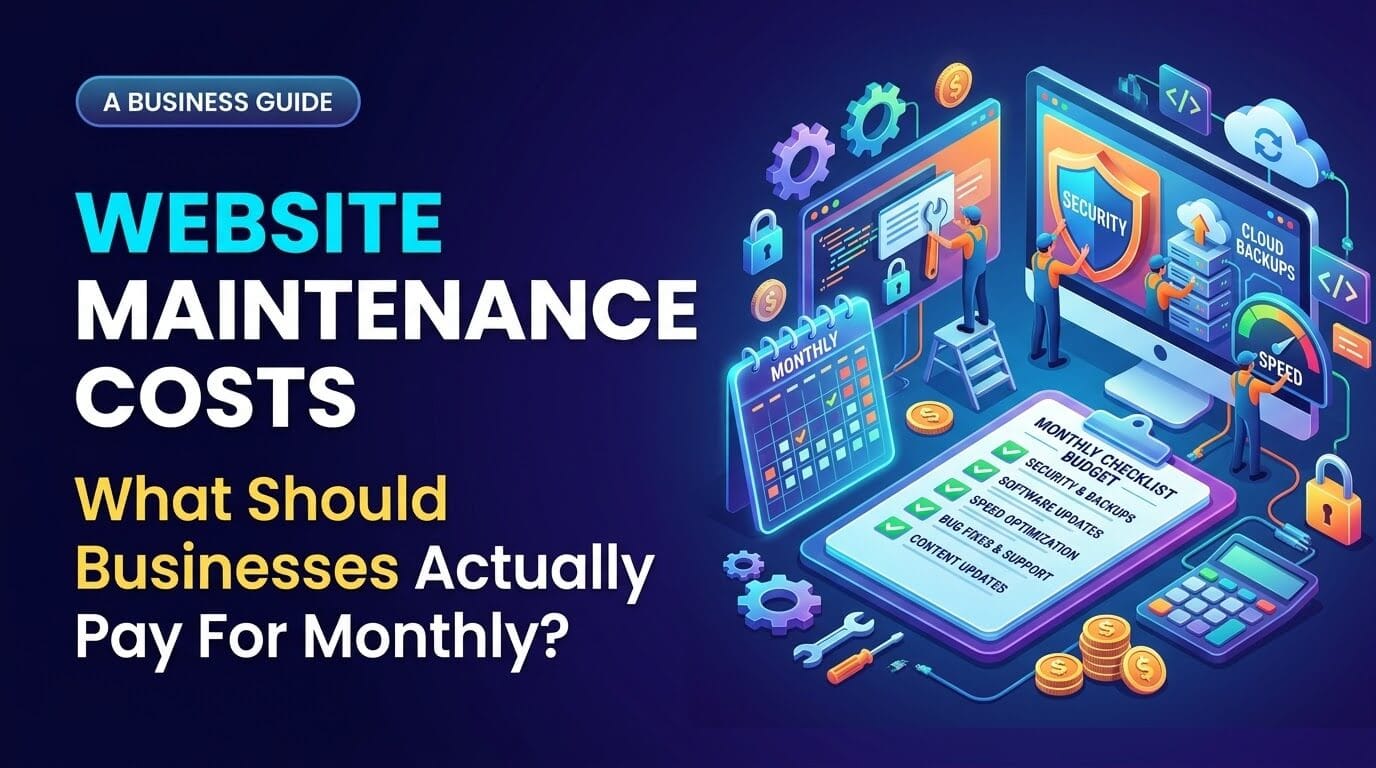
You just invested a significant amount of capital into a beautiful, high-converting custom website. It launches, it looks fantastic, and the leads start rolling in. You think the project is completely finished.
Then, your web design agency sends over a proposal for a “Monthly Website Maintenance Plan.”
For many business owners, this feels like an unexpected hidden fee. You might wonder, “I just paid to have this built. Why do I need to keep paying to maintain it? Can’t I just leave it alone?”
At MAN IT, we believe in total transparency when it comes to IT and digital infrastructure. The truth is, a modern corporate website or WooCommerce store is not a static brochure; it is a living, breathing piece of software. Just like a luxury vehicle, if you do not regularly change the oil, check the engine, and update the systems, it will eventually break down.
If you are trying to budget for your digital presence, here is a clear, no-nonsense breakdown of what website maintenance actually is, what you should be paying for, and how it protects your bottom line.
1. Premium Hosting (The Foundation)
The most basic recurring cost of any website is hosting—the physical server space where your website’s files and databases live.
Many businesses make the mistake of putting their heavy corporate website on a $5-a-month budget host. This results in slow load times, frequent server crashes during traffic spikes, and lost sales. You are not just paying for “space”; you should be paying for speed and reliability.
Because server infrastructure is so critical to a website’s success, we launched our own dedicated hosting wing at MAN IT Cloud (manitcloud.com). Instead of relying on unreliable third parties, our clients benefit from tailored, high-performance environments:
- Managed Business Hosting: Maximum uptime and robust resources for corporate agencies that require ironclad stability.
- Managed WordPress Hosting: LiteSpeed servers specifically optimized for the heavy database queries of WordPress and WooCommerce, ensuring your site loads in under two seconds.
- Premium Shared Hosting: A highly secure, cost-effective entry point for growing businesses that still demands premium speed.
2. Proactive Security & Malware Protection
WordPress powers over 40% of the internet. Because of its massive popularity, it is the number one target for automated hacking bots.
If you leave a WordPress site alone for six months, the core software and plugins become outdated. Hackers actively look for these outdated plugins to exploit vulnerabilities. A proper monthly maintenance package includes enterprise-grade firewalls, 24/7 uptime monitoring, and proactive malware scans. Paying a professional agency a monthly fee to secure your site is infinitely cheaper than losing thousands of dollars—and your brand reputation—when your site is hijacked to display spam.
3. Core Updates and Compatibility Checks
Your website relies on dozens of different components: the WordPress core, your custom theme, page builders like Elementor, and various plugins (for contact forms, SEO, and caching).
These components are constantly being updated by their developers. However, updating a plugin can sometimes cause a conflict that completely breaks your website layout or checkout page.
When you pay for professional maintenance, you are paying for an expert team to safely test these updates on a private “staging” server before applying them to your live site. If an update breaks something, our developers fix the code behind the scenes. You never have to deal with a crashed website.
4. Automated, Off-Site Backups
Imagine waking up to find that a rogue line of code or a server failure has completely wiped out your customer database, your blog posts, and your custom page designs.
If you do not have a recent backup, you have to pay to rebuild the entire website from scratch. A legitimate maintenance plan includes daily, automated backups that are stored off-site (not on the same server as your website). If disaster strikes, a professional team can restore your entire website with a single click in a matter of minutes.
5. Database Optimization and Speed Audits
Over time, your website accumulates digital junk. Every time you revise a page, get a spam comment, or process a WooCommerce order, your database gets heavier. After a year of no maintenance, this “database bloat” will cause your admin dashboard and front-end pages to crawl.
Professional maintenance includes weekly database cleanups—removing orphaned data, clearing out transient options, and optimizing image deliveries to ensure your site stays lightning-fast month after month.
So, How Much Should You Actually Pay?
While costs vary based on the size of your platform, here is a realistic expectation for professional, agency-level maintenance:
- Standard Corporate Websites: Typically range from $100 to $250 per month. This covers managed hosting, security, daily backups, and safe updates.
- E-Commerce (WooCommerce) & Complex Portals: Typically range from $300 to $800+ per month. E-commerce sites require real-time backups (so you don’t lose a transaction record), deeper security compliance (SSL and payment gateway testing), and constant speed optimization to prevent cart abandonment.
Why Businesses Trust MAN IT for Ongoing Support
Trying to manage server updates, debug CSS conflicts, and monitor security firewalls is a massive waste of your time. You should be running your business, not playing IT support.
At MAN IT, our Security & Maintenance service is designed to give you absolute peace of mind. We combine world-class development expertise with the high-performance infrastructure of MAN IT Cloud. We provide 24/7 online customer support, lightning-fast response times, and exceptional service at a reasonable price point. We do not just build your website; we protect your investment so it continues to generate leads for years to come.
Stop worrying about website crashes and hackers. Contact the MAN IT team today to migrate your site to our secure, fully managed maintenance and hosting infrastructure.